Optimal Scheduling for Window Installations
Scheduling Windows installations at optimal times can enhance efficiency and minimize disruptions. Understanding seasonal and operational factors ensures installations are completed smoothly and effectively.
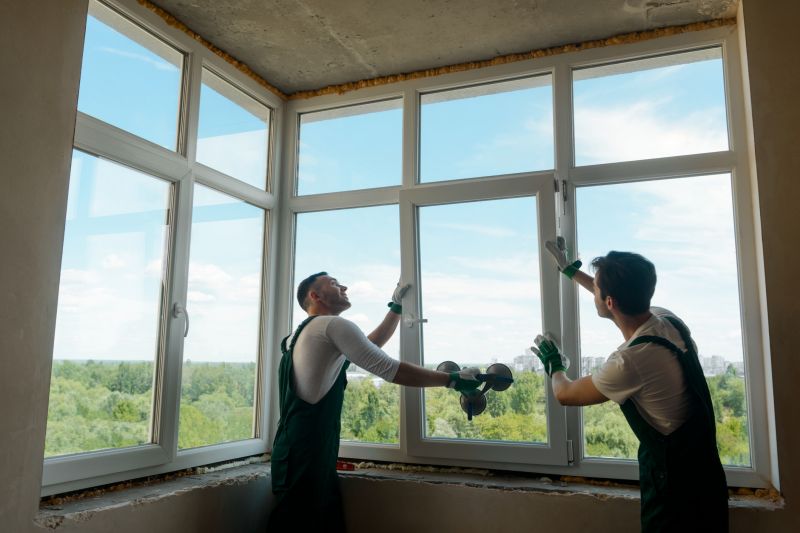
Spring offers moderate weather conditions, making it ideal for exterior window work and minimizing weather-related delays.
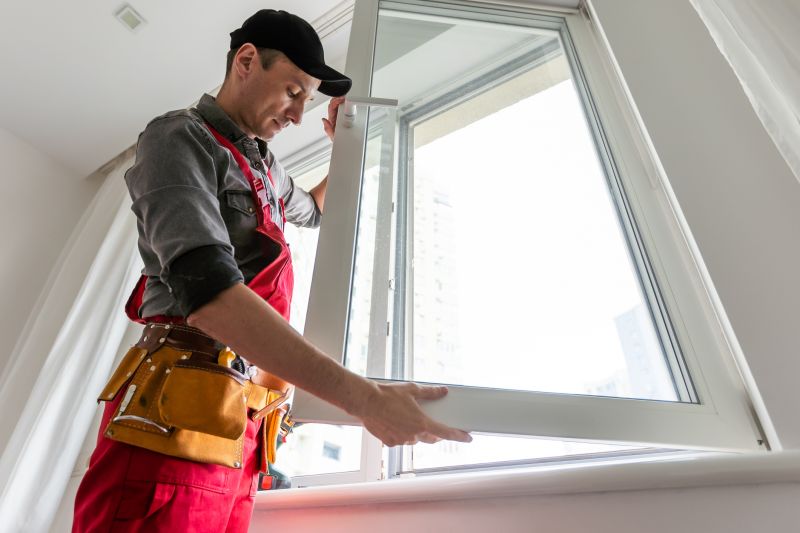
Summer provides longer daylight hours, but extreme heat can impact installation quality and comfort.
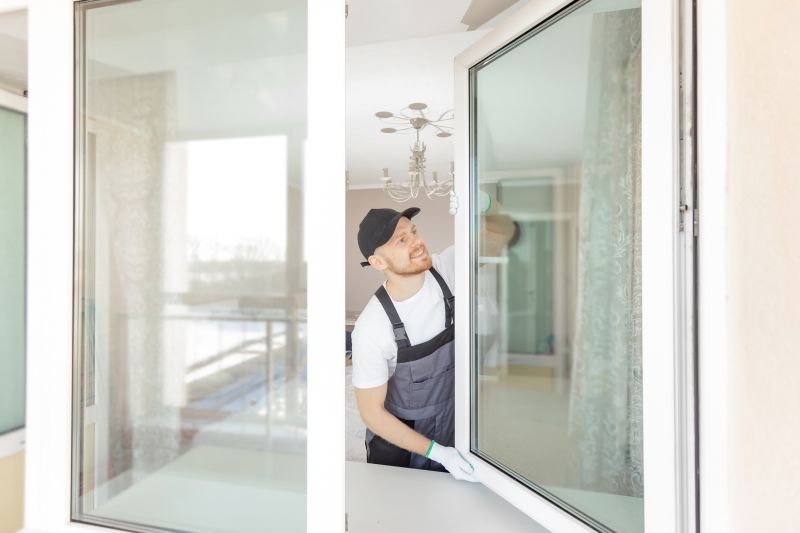
Fall's cooler temperatures and lower humidity levels support precise installations and reduce the risk of weather interruptions.
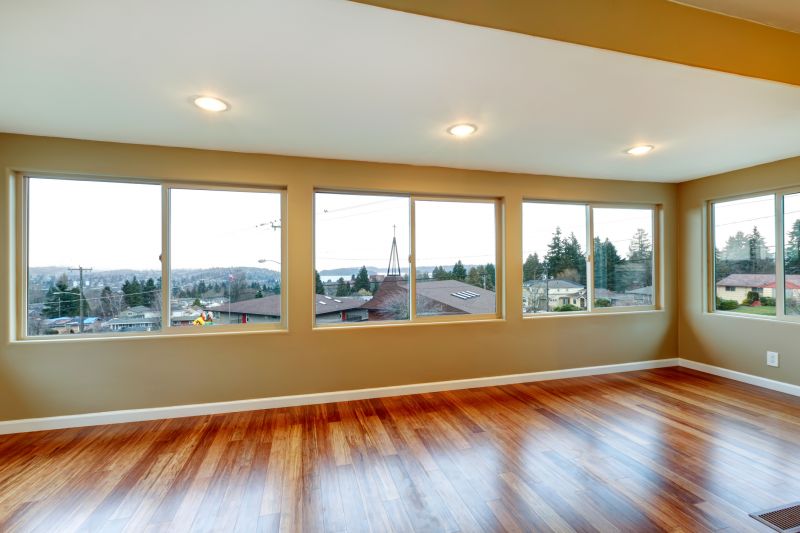
Ways to make Windows Installations work in tight or awkward layouts.

Popular materials for Windows Installations and why they hold up over time.
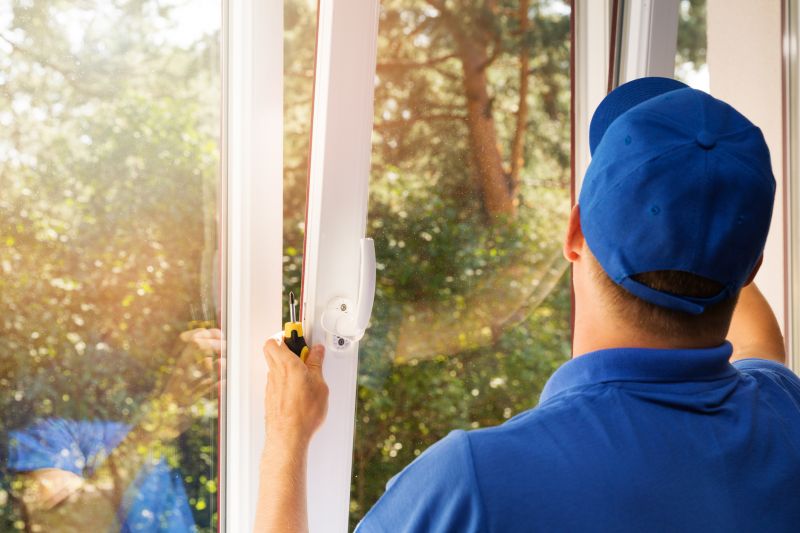
Simple add-ons that improve Windows Installations without blowing the budget.
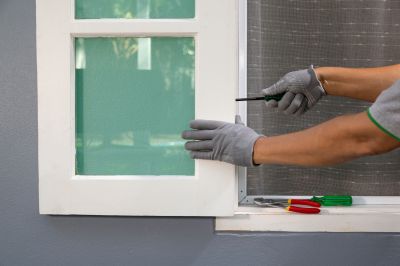
High-end options that actually feel worth it for Windows Installations.
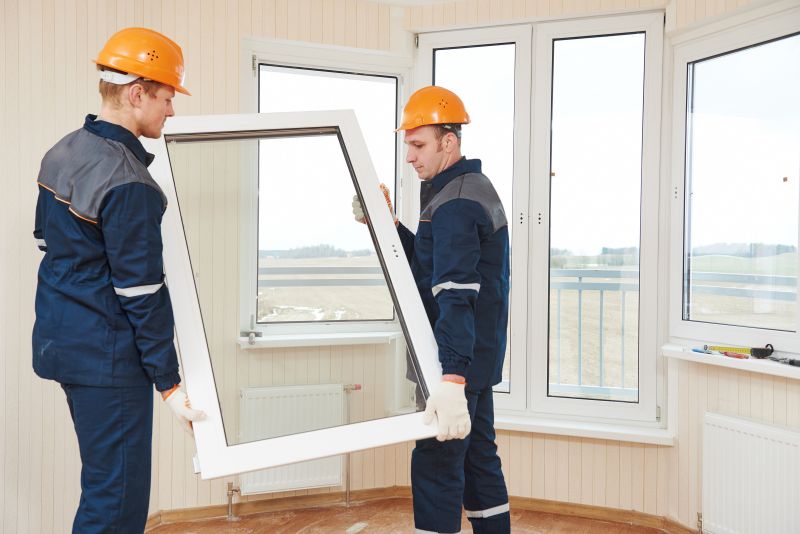
Finishes and colors that play nicely with Windows Installations.
Spring and fall are generally preferred for Windows installations due to favorable weather conditions and reduced risk of delays.
Avoid scheduling during extreme heat, cold, or rainy seasons to ensure quality and safety during installation.
Plan installations during periods of low humidity and moderate temperatures for best results.
Seasonal temperature fluctuations can affect materials and adhesives, influencing installation timelines and outcomes.
Windows installations are a critical component of building efficiency and aesthetic appeal. Proper timing ensures materials perform as expected and reduces the likelihood of future issues. Weather conditions, temperature stability, and daylight hours all influence the success of installation projects.

Best suited for mild weather periods to prevent weather-related delays and damage.

Can be scheduled year-round, with attention to indoor climate control for optimal results.

Preparing for seasonal changes can help avoid installation setbacks and ensure durability.
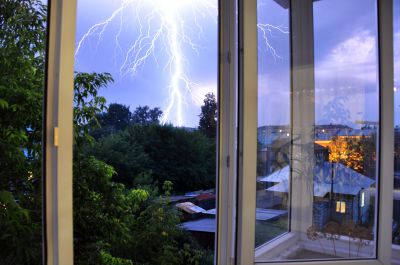
Extreme weather can compromise installation quality and extend project timelines.
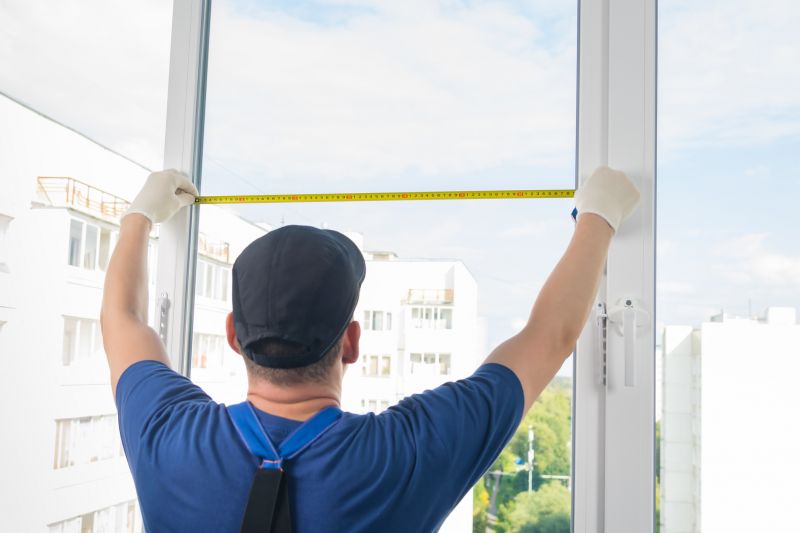
Little measurements that prevent headaches on Windows Installations day.

A 60-second routine that keeps Windows Installations looking new.
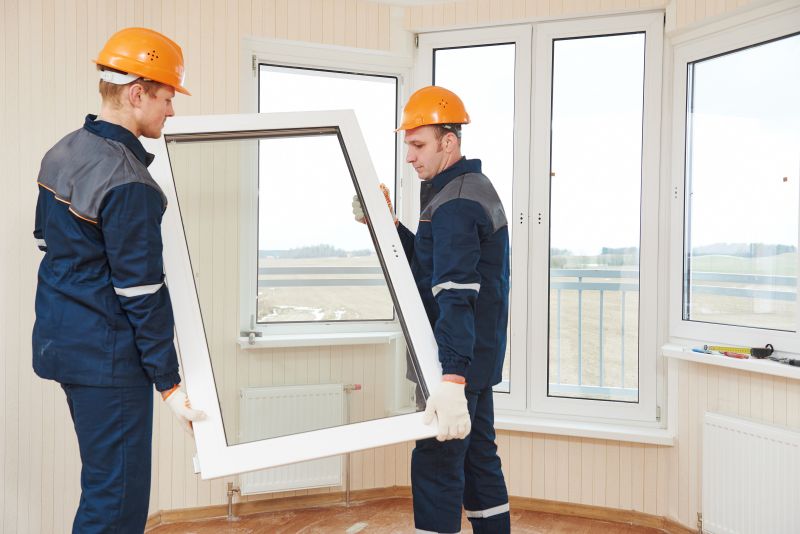
A frequent mistake in Windows Installations and how to dodge it.
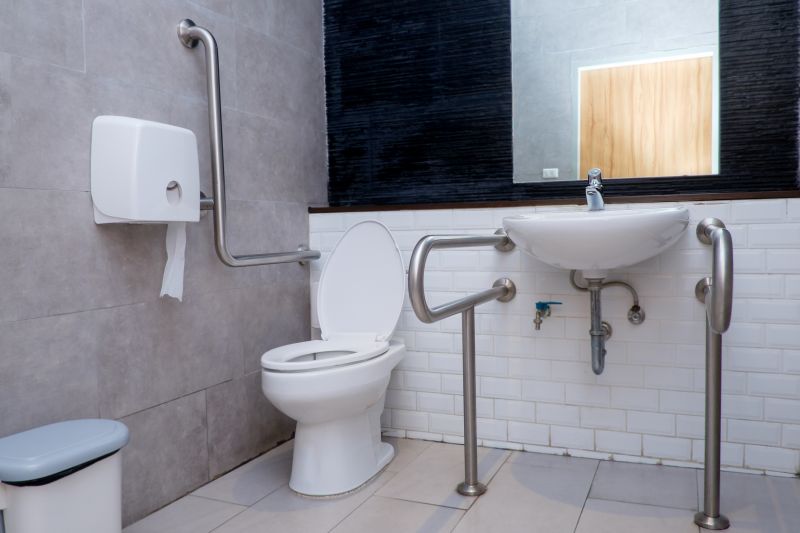
Small tweaks to make Windows Installations safer and easier to use.
| Season | Advantages |
|---|---|
| Spring | Moderate temperatures, longer daylight, ideal for exterior work. |
| Summer | Extended daylight hours, quicker completion, but watch for heat. |
| Fall | Cooler weather, less humidity, suitable for precise installation. |
| Winter | Limited outside work, best for interior installations when weather is cold but dry. |
Choosing the right time for Windows installations depends on local climate conditions and project scope. Proper planning can lead to better fitting, longer-lasting results, and fewer delays. Consulting with professionals can help identify the most suitable period for each specific project.

Proper timing ensures smooth installation processes with minimal weather disruptions.

Results depend on scheduling during optimal weather conditions for durability.

Preparing ahead helps avoid delays caused by adverse weather.

Flexible scheduling allows installation during less favorable outdoor conditions.

Lower-waste or water-saving choices for Windows Installations.
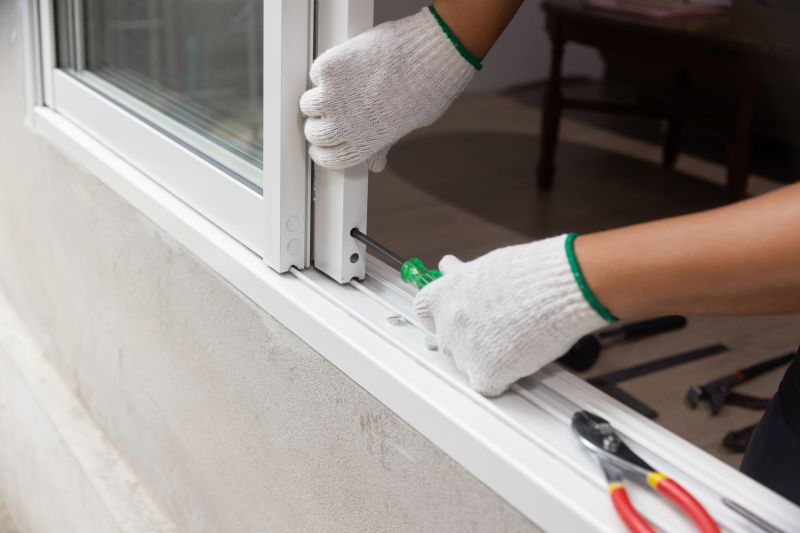
The short, realistic tool list for quality Windows Installations.

Rough timing from prep to clean-up for Windows Installations.

Quick checks and paperwork to keep after Windows Installations.
Interested in scheduling a Windows installation? Filling out the contact form can help determine the best timing for individual project needs, ensuring quality results and timely completion.